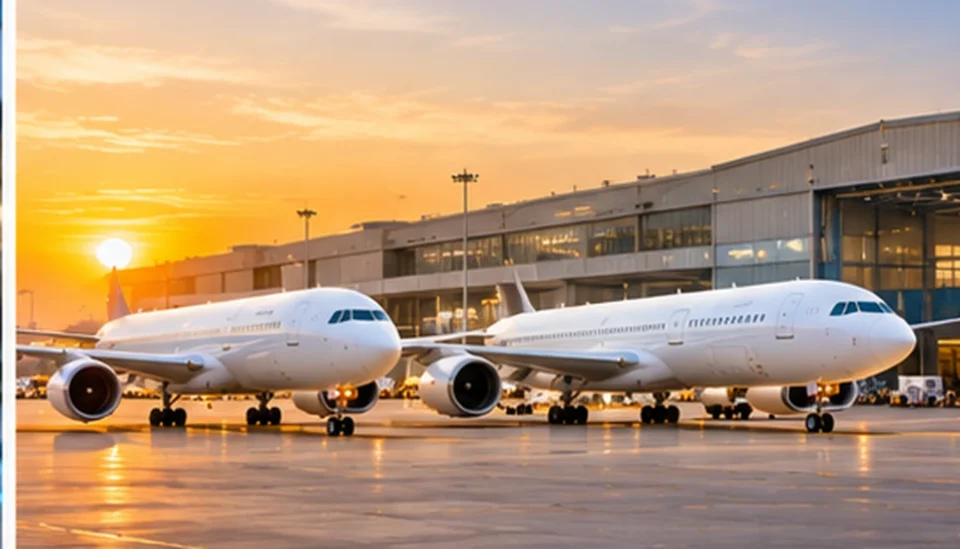
Emirates has completed a 12-year financing deal for two new Airbus A350-900 aircraft that combines a French lease structure with Islamic finance principles, the Dubai airline said in a statement on Monday, November 9. Dubai Islamic Bank (DIB) and Natixis Corporate & Investment Banking acted as financiers and arrangers, according to reports by Arabian Business, AeroTime and Forbes Middle East.
The value of the transaction was not disclosed. The financing supports the airline’s acquisition of the two aircraft in 2026.
What the deal involves
- Borrower: Emirates
- Financiers and arrangers: Dubai Islamic Bank and Natixis CIB, with DIB handling the Shariah structuring
- Structure: A Shariah-compliant French lease
- Term: 12 years
- Aircraft: Two Airbus A350-900 widebody jets
Why the structure is unusual
Aircraft finance usually follows one set of rules. A French lease is a leasing arrangement developed under French law and tax rules, in which the aircraft is held through a leasing structure and leased to the airline over a long period. Islamic finance, by contrast, must follow Shariah principles, which prohibit interest-based lending, so Islamic deals are typically built around leases or the ownership of real assets.
According to the reports, this transaction was designed to satisfy both frameworks at once rather than choosing one. Naveed Ali, chief of corporate banking at DIB, said the bank’s Shariah team had worked to align the requirements of the French lease with Shariah standards.
Emirates said in its statement that the model “establishes a repeatable blueprint for future international aviation financings”, and that it shows airlines can tap alternative, more diverse pools of capital.
Part of a wider funding mix
Derek Blaney, acting chief financial officer of Emirates Group, said the airline’s financial performance and track record give it access to innovative solutions such as this one. He said Emirates continues to diversify its funding sources as its fleet grows.
The airline uses a combination of conventional commercial debt and Shariah-compliant structures for its long-term financing, AeroTime reported. Jean Chédeville, head of transportation finance at Natixis CIB, said the bank was pleased to support Emirates with “another tailored aircraft delivery funding solution”, indicating an existing relationship between the two.
What it means for the Gulf
The A350-900 is a long-range twin-engine widebody that Emirates is adding to its fleet alongside its larger Airbus A380 and Boeing 777 aircraft. Each new aircraft represents a large capital cost, so the way airlines fund deliveries matters for their balance sheets.
For the UAE’s financial sector, the deal is a sign of Islamic banks taking a role in complex, cross-border aviation finance traditionally led by European and Asian lenders. Dubai has long promoted itself as a hub for Islamic finance, and a structure that can be reused by other airlines could widen the pool of investors willing to fund aircraft.
For travellers, the practical effect is indirect: financing deals like this one help the airline bring new, more fuel-efficient aircraft into service on its network.
Sources: Arabian Business, AeroTime, Forbes Middle East